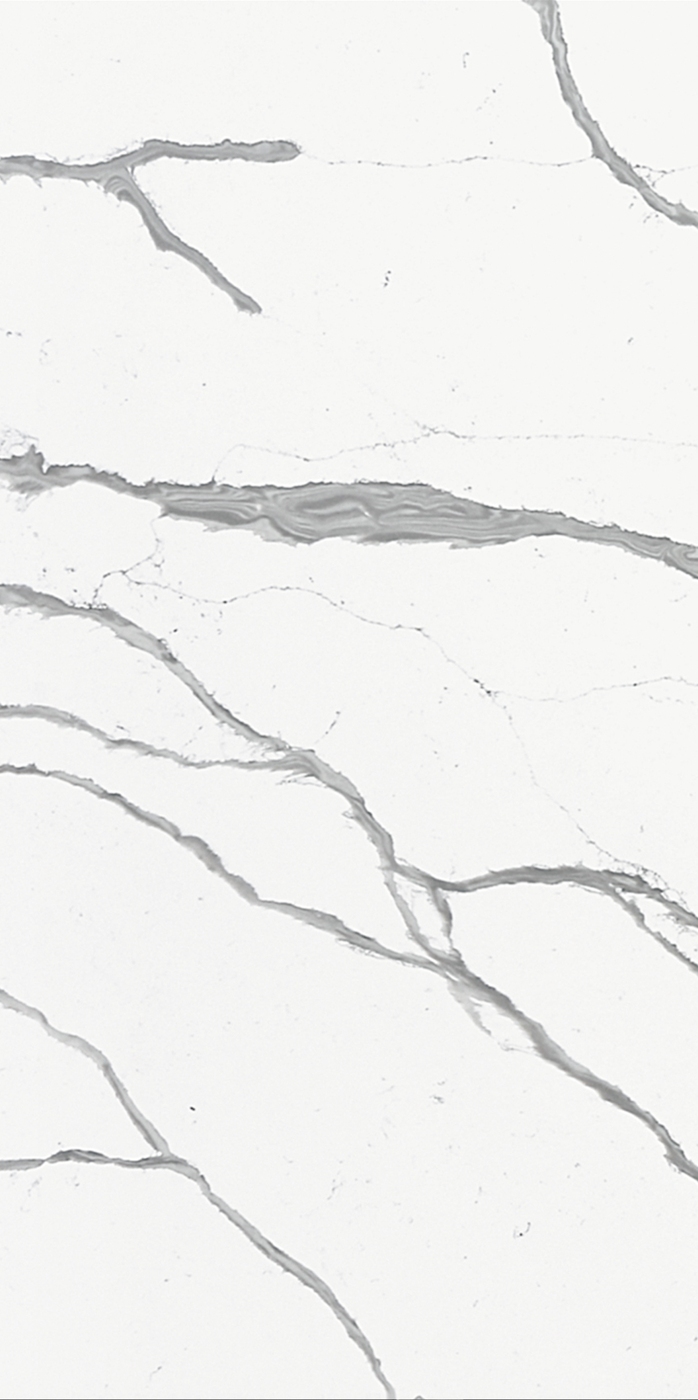
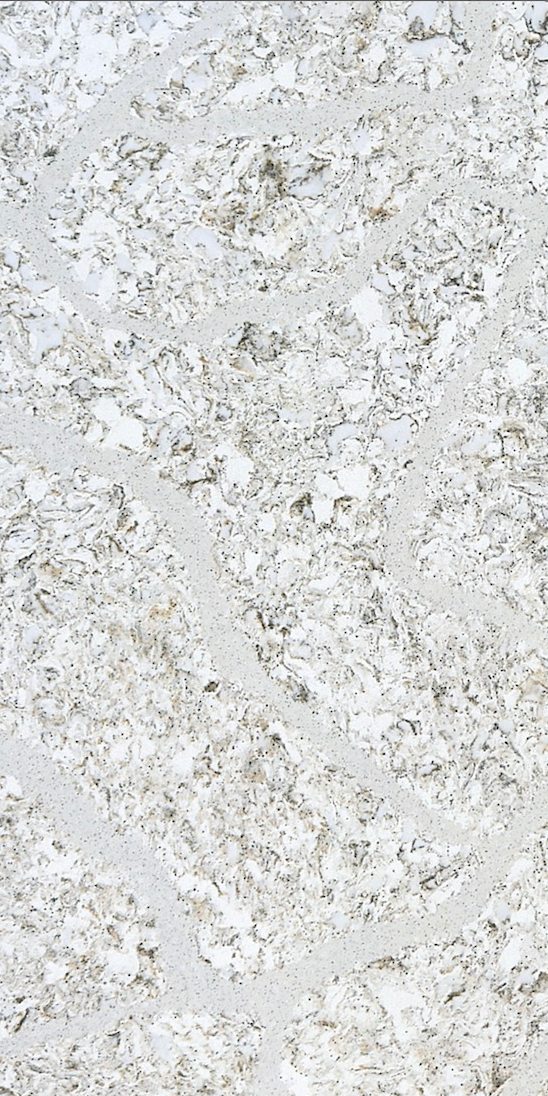
Countertops are no longer just "work surfaces." They set the tone for the entire room, from sleek minimalist apartments to sprawling farmhouse-style homes. Among the numerous options, three materials dominate most conversations: quartz, granite, and marble. Each carries its own personality, its own quirks, and its own loyal fan base.
This article takes a real-life look at each material and helps you understand where each one shines, where it struggles, and how to match the right material to your lifestyle.
Before diving into performance and aesthetics, it helps to understand the nature of each surface and why it behaves the way it does.
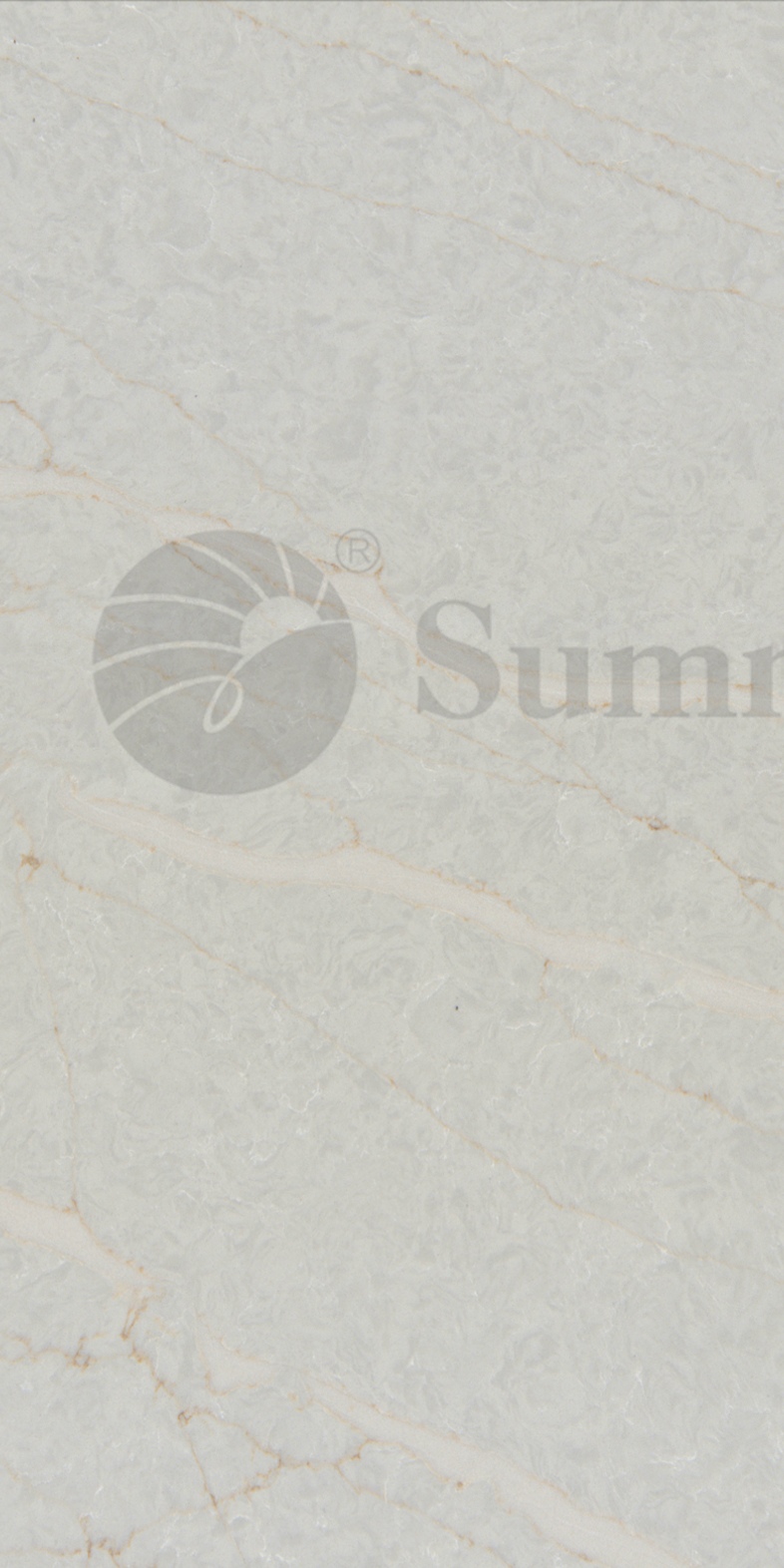
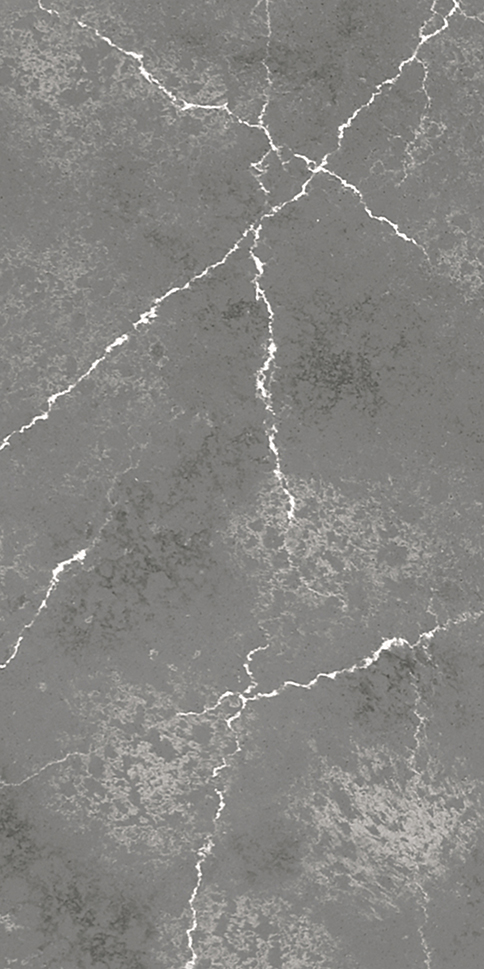
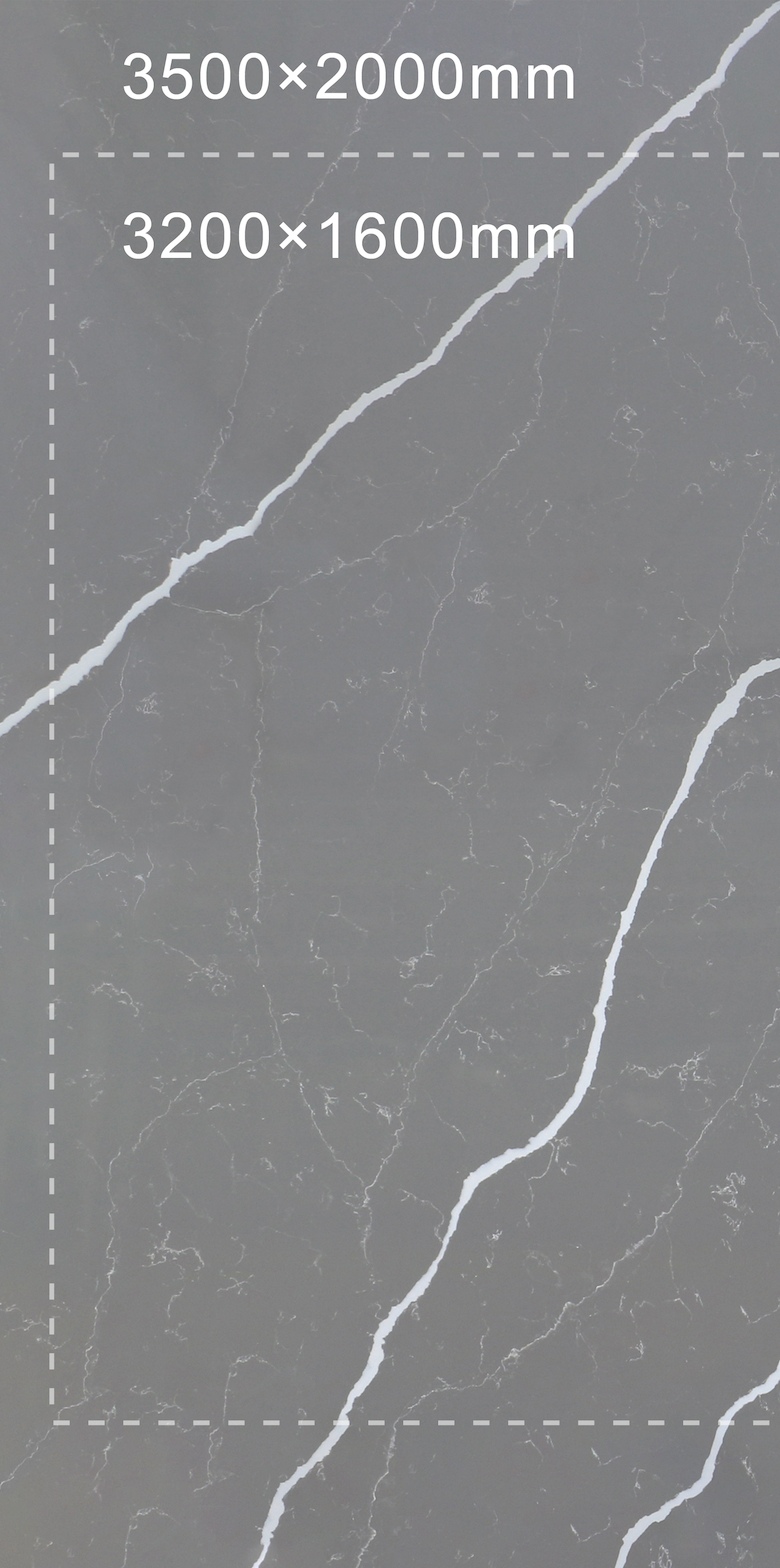
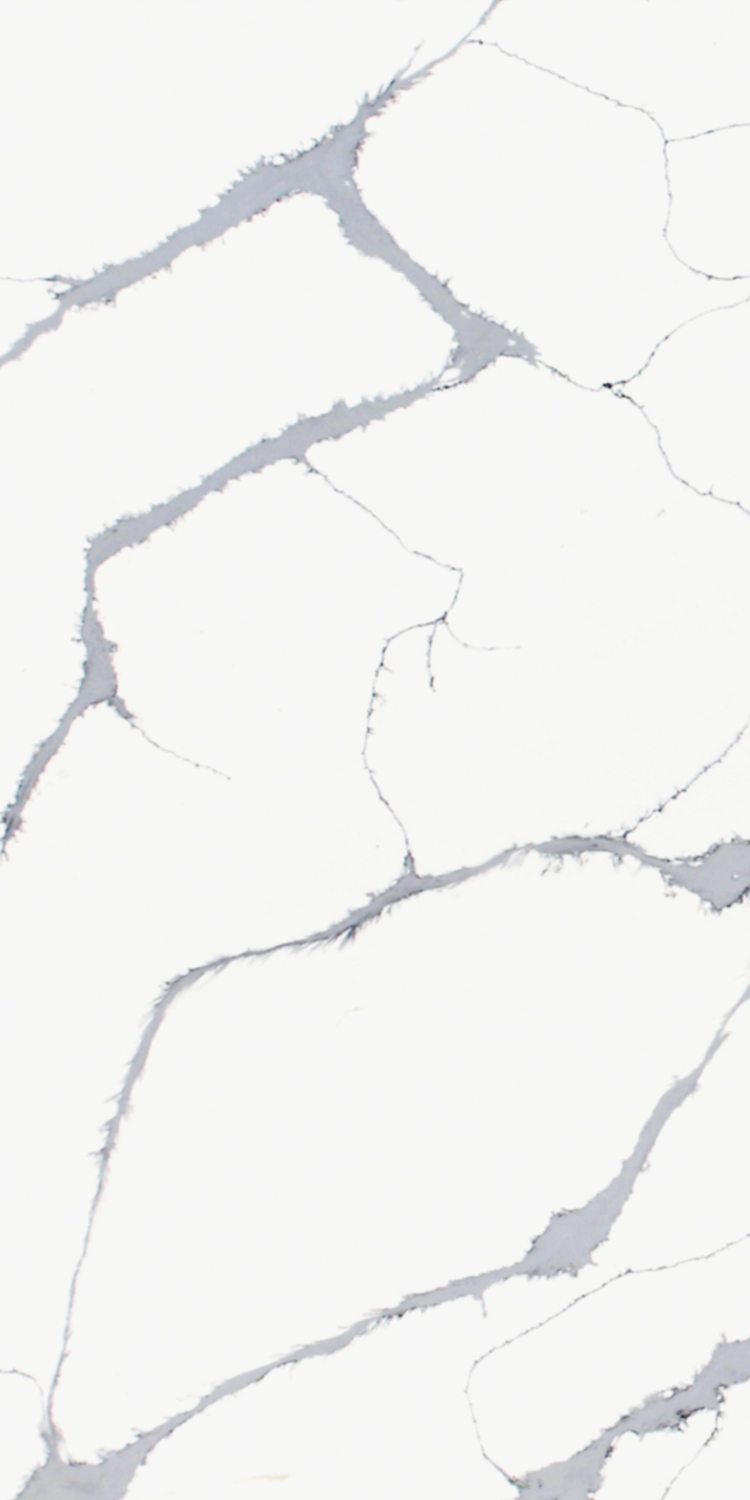
Quartz countertops are engineered stone slabs made from crushed natural quartz mixed with resins and pigments. Because it's manufactured, it delivers consistent color, controlled veining, and surfaces that are non-porous. These qualities have made quartz popular with homeowners who want the look of natural stone but a surface that's easier to live with—especially in busy kitchens prone to spills.
You'll find quartz installed in:
● family kitchens with heavy daily cooking
● rental units where durability matters
● commercial spaces requiring low-maintenance countertops
● modern interiors that favor clean, uniform patterns
● small apartments where visual consistency helps create a sense of space
Quartz also allows more creative freedom in edge styles and custom shapes. Curved islands, waterfall edges, and integrated sinks are all achievable without compromising strength. This flexibility makes quartz an appealing choice for both DIY renovators and professional designers.

Granite is a natural stone quarried from the earth, cut into slabs, and polished. Its patterns—sometimes calm and speckled, sometimes wildly swirling—are formed through geological processes stretching millions of years. No two slabs are identical, which is why granite appeals to those who want uniqueness and a connection to natural materials.
Granite is typically seen in:
● traditional kitchens that embrace natural textures
● rustic and earthy home designs
● outdoor kitchens because it handles heat exceptionally well
● commercial spaces like luxury hotel bars and restaurant counters where durability and visual impact matter
Granite's natural resistance to heat makes it ideal for areas where hot pots, pans, or ovens are used frequently. It can even handle direct exposure to sunlight in outdoor kitchens, though sealing is recommended to protect against staining and weathering.
Marble is also natural stone, but softer and more porous than granite. It's prized for its unmistakable veining—something designers often refer to as "movement." Think of classic white Carrara or dramatic Calacatta patterns used in luxury hotels and high-end spas.
Homeowners often choose marble for:
● bathroom vanities
● statement kitchen islands
● baking-friendly kitchen surfaces (marble stays naturally cool)
● luxury aesthetic renovations
● high-end coffee shops and boutique counters
While marble is elegant, its softness makes it prone to scratching and etching from acidic substances. Many enthusiasts see this as part of its charm—over time, marble develops a patina that tells a story of daily life, giving a space character that other materials can't replicate.
|
Feature |
Quartz |
Granite |
Marble |
|
Type |
Engineered stone |
Natural stone |
Natural stone |
|
Composition |
Crushed quartz + resin + pigments |
100% natural stone |
100% natural stone |
|
Porosity |
Non-porous |
Porous |
Highly porous |
|
Pattern |
Consistent |
Natural variation |
Unique veining |
|
Maintenance |
Low |
Moderate |
High |
|
Heat Resistance |
Moderate |
High |
Moderate |
|
Scratch Resistance |
High |
High |
Moderate |
|
Color Range |
Wide |
Limited by quarry |
Limited |
A big reason quartz has soared in popularity is predictability. If you choose a style, what you see in the sample is what you'll get in your installed countertop—no hunting through slabs at a stone yard. The design possibilities are broad, from soft whites to deep charcoal shades, from subtle veins to bold marble-look patterns.
For minimalist kitchens or contemporary open-concept homes, quartz can deliver a clean, calm backdrop without visual noise. It also photographs beautifully, which explains why it dominates modern interior design blogs.
Granite's beauty lies in its spontaneity. Some slabs are understated and speckled; others burst with dramatic veins and color shifts. If you enjoy wandering through stone yards and discovering a slab that no one else has, granite offers that adventure.
It often complements:
● warm wood cabinetry
● natural lighting
● earthy color palettes
● vintage or reclaimed furniture, creating a cozy and authentic feel
Granite's unique markings can also act as an artistic centerpiece. Designers often advise selecting a slab with a pattern that "flows" across the countertop, visually connecting an island to a backsplash or adjacent walls.
When people envision luxury countertops, they often picture marble. Its veining has an artistic quality—something quartz manufacturers try to mimic but never fully replicate. Marble immediately elevates a kitchen or bathroom, giving it a calm, elegant atmosphere.
Designers love to match marble with:
● gold or brass fixtures
● soft neutrals and light woods
● high-end lighting that accentuates natural veining
● contrasting textures such as matte cabinetry or dark metal hardware
Marble is also widely used in hotels and boutique stores because it conveys opulence and timelessness—qualities that resonate in both private and commercial spaces.
|
Material |
Best Style Match |
Visual Appeal Notes |
|
Quartz |
Modern, Minimalist, Open Concept |
Clean, uniform, consistent pattern |
|
Granite |
Traditional, Rustic, Earthy |
Unique, organic patterns; each slab is one-of-a-kind |
|
Marble |
Luxury, Classic, Hotel/High-end |
Dramatic veining; develops patina over time |
Here's where the differences become more practical.
Quartz is engineered to be tough. It resists stains because it's non-porous, meaning juices, wine, oil, and coffee can't seep in. It also resists scratches better than marble and some granites.
Real-life durability notes:
● doesn't need sealing
● great for families with kids
● consistent performance in rental properties
● best for anyone who doesn't want to baby their surfaces
The only thing quartz struggles with is high heat. Setting a hot pan directly on the surface may cause damage due to resin content, so using trivets is recommended.
Granite is extremely hard and durable. It's heat-resistant, scratch-resistant, and strong enough to withstand decades of heavy use. However, because it's porous, it needs periodic sealing—usually once a year, though some suppliers offer pre-sealed slabs.
Granite is ideal for:
● home cooks who work with hot pots daily
● outdoor kitchens exposed to sunlight
● homeowners who appreciate nature's imperfections
Its natural composition can sometimes include micro-fractures, which is why professional installation is key to preventing cracking during heavy use.
Marble is the most delicate of the three materials. It can scratch, stain, and etch when exposed to acidic substances like lemon juice or vinegar. That said, many homeowners still choose marble knowing these marks will develop into a natural "patina."
Good fits for marble include:
● low-traffic kitchens
● baking enthusiasts (marble is great for dough)
● bathroom vanities
● anyone who loves the aged, European aesthetic
With proper care, marble can last decades while gaining character—a quality that many find appealing for luxury interiors.
|
Feature |
Quartz |
Granite |
Marble |
|
Stain Resistance |
Excellent |
Good (if sealed) |
Low |
|
Scratch Resistance |
High |
High |
Moderate |
|
Heat Resistance |
Moderate |
High |
Moderate |
|
Daily Use Suitability |
High traffic kitchens, commercial |
Heavy cooking, outdoor |
Low-traffic, baking surfaces |
|
Maintenance Required |
Wipe clean |
Seal once/year |
Seal polish careful cleaning |
Quartz is straightforward: wipe with mild soap and water. No sealing, no polishing, no special cleaners. It's excellent for people who want beauty without maintenance. Even stubborn spills like coffee, red wine, or tomato sauce can usually be wiped away without staining.
Granite needs occasional sealing to keep stains out. Most homeowners find this quick and inexpensive—it's usually a 20-minute job. Daily cleaning is also simple: mild soap and a soft cloth.
Tips for long-term granite care:
● Use cutting boards to prevent scratches
● Clean up spills promptly to avoid staining
● Avoid harsh chemical cleaners that can break down sealants
Marble requires the most care:
● regular sealing
● gentle cleaners
● quick cleanup after spills
● protective practices like using cutting boards and coasters
Specialized marble care products exist to maintain shine and reduce etching. Many high-end renovators treat marble surfaces with periodic polishing to retain their luxurious luster.
Each material has a wide price range. Without naming specific figures, here's the general rule:
● Quartz: mid-range to upper-range
● Granite: mid-range, with some rare slabs costing more
● Marble: generally upper-range, especially premium veining
Cost varies by thickness, edge style, manufacturer, and region. Installation labor also affects pricing, particularly for marble and granite, which are heavier and may require reinforced cabinetry.
Quartz offers the best combination of beauty and durability for high-traffic kitchens. Spill resistance and easy cleaning make it ideal. Families with children, pet owners, and busy households often lean toward quartz for its practicality.
If you want something formed by nature and appreciate organic patterns, granite wins. It's also excellent for outdoor kitchens, hotel countertops, and spaces where durability and aesthetics are equally important.
Kitchen islands, master bathrooms, boutique stores, and hotel lobbies often choose marble for its visual drama. Marble is also preferred in baking kitchens due to its naturally cool surface.
|
Use Case |
Quartz |
Granite |
Marble |
|
Family Kitchen |
Excellent |
Good |
Not recommended |
|
Bathroom Vanity |
Excellent |
Good |
Excellent |
|
Commercial Space |
Excellent |
Good |
Limited |
|
Luxury Statement Island |
Optional |
Good |
Excellent |
|
Outdoor Kitchen |
Not ideal |
Excellent |
Not recommended |

Quartz manufacturing has improved over the years, with many brands emphasizing sustainable production. Granite and marble are natural materials requiring quarrying, which has its own environmental impact but is often offset by long durability and reusability.
If sustainability matters to you, ask suppliers about:
● recycled content
● responsible quarrying
● resin formulas
● local vs. imported slabs
Quartz also reduces waste since engineered slabs are optimized for size and pattern, minimizing leftovers compared to natural stone cuts.
● Assess daily usage: If you cook a lot, quartz or granite might be better; if usage is occasional, marble is viable.
● Consider aesthetics: Think about cabinetry, backsplash, flooring, and overall color scheme.
● Budget realistically: Factor in installation, edging, and maintenance.
● Visit showrooms: Lighting and sample slabs help visualize real-life appearance.
● Think long-term: Durability, resale value, and maintenance commitment matter.
If you're leaning toward quartz for your renovation or commercial project, it's worth partnering with a manufacturer that specializes in high-quality quartz surfaces. Summerly Quartz is a trusted quartz stone manufacturer and supplier, known for producing durable, beautifully designed quartz slabs suitable for kitchens, bathrooms, reception counters, and custom interior projects.
Summerly Quartz offers:
✅ stable colors and consistent patterns
✅ durable surfaces for high-traffic environments
✅ a variety of modern and classic quartz designs
✅ reliable supply for contractors, distributors, and homeowners
Whether you're designing a residential kitchen or sourcing materials for a multi-unit development, Summerly Quartz provides dependable quality and professional support.
If quartz feels like the right choice for your project, consider reaching out to Summerly Quartz for samples or product details. Our team understands both residential and commercial needs and can help guide you to the right surface.

Quartz Stone Manufacturer and Supplier
Choosing between quartz, granite, and marble comes down to how you live and what you expect from your space. Quartz is the practical choice—easy to maintain, consistent in design, and ideal for busy kitchens or commercial areas. Granite brings natural beauty and long-lasting durability for those who want a unique, earth-formed countertop. Marble remains the classic option for anyone drawn to timeless luxury, even if it requires a bit more care.
If you're leaning toward quartz for its balance of durability and style, Summerly Quartz is a reliable quartz stone. Our products make it easier to create a countertop that looks beautiful and stays that way.
Browse our extensive quartz collection; you're sure to find one that suits your taste.