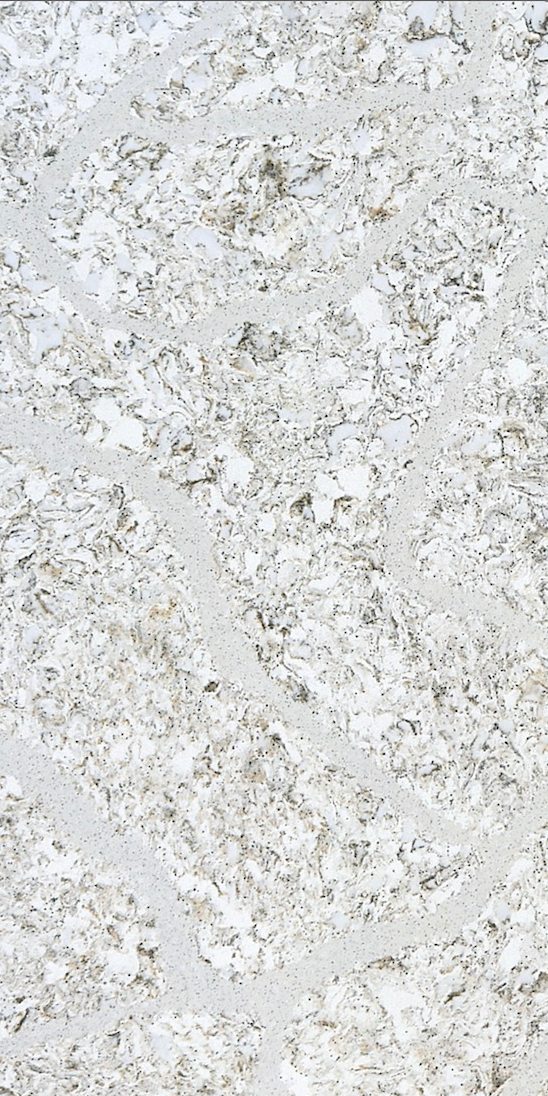
Should I pick artificial quartz or natural stone? People usually start with color, then they touch the surface, then they worry about stains, chips, heat, and of course price. The truth is, both can look amazing. But they behave very differently once you live with them every day.
We will talk about quartz countertops, granite, marble, and other natural stone slabs, and also how to choose for a kitchen countertop, bathroom vanity top, island, backsplash, even commercial countertops like cafés and hotels.
Artificial quartz is often called engineered quartz or quartz stone. It is made from natural quartz particles mixed with resin and pigments, then pressed and cured to form a slab. That slab gets polished or finished, then cut into countertops, vanity tops, and other surfaces.
People get confused because it still contains real quartz. But it is not a quarried block like granite or marble. The key thing is consistency. Because it is made in a factory, you can control the color tone, pattern density, and thickness more easily.
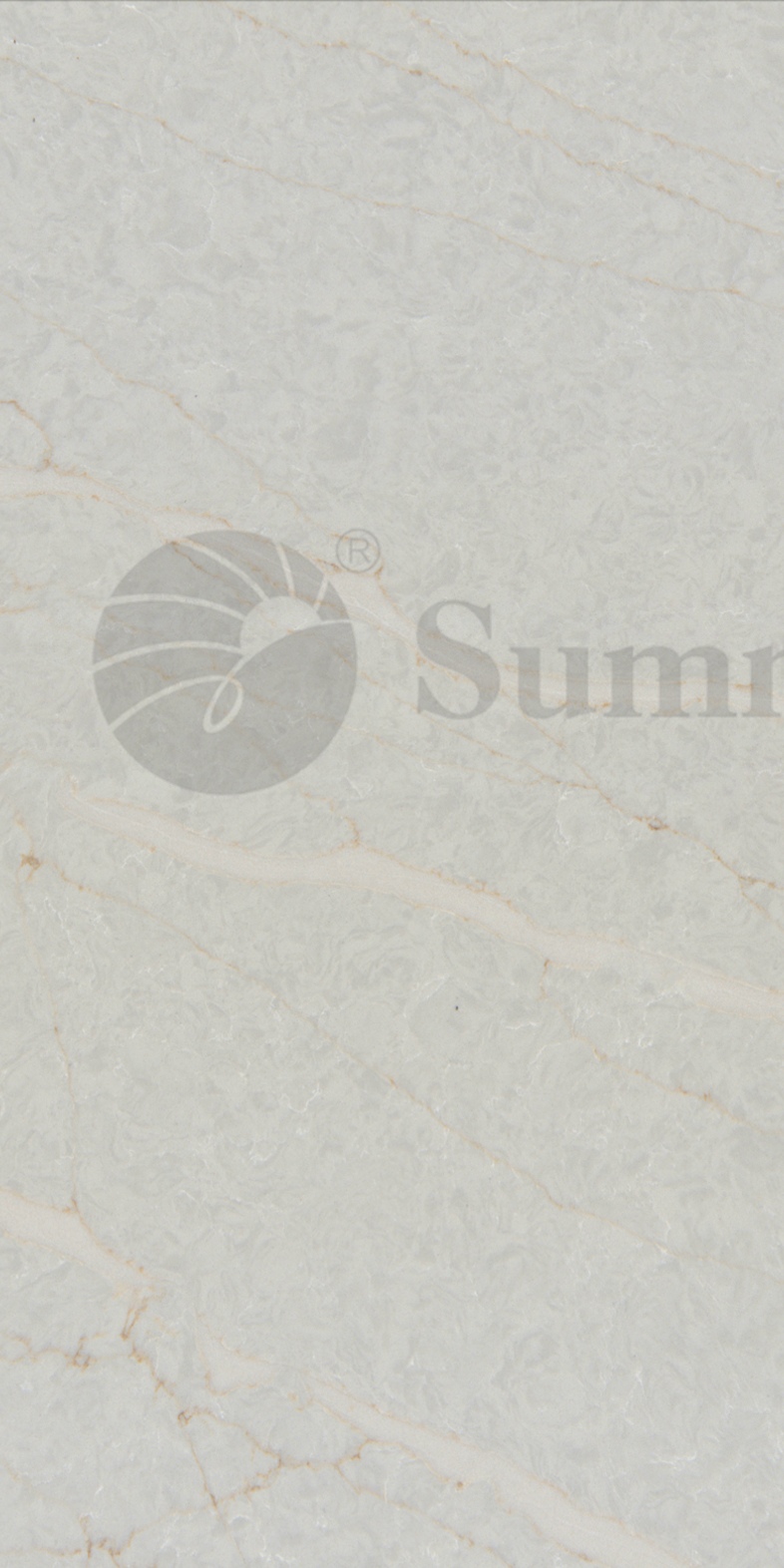
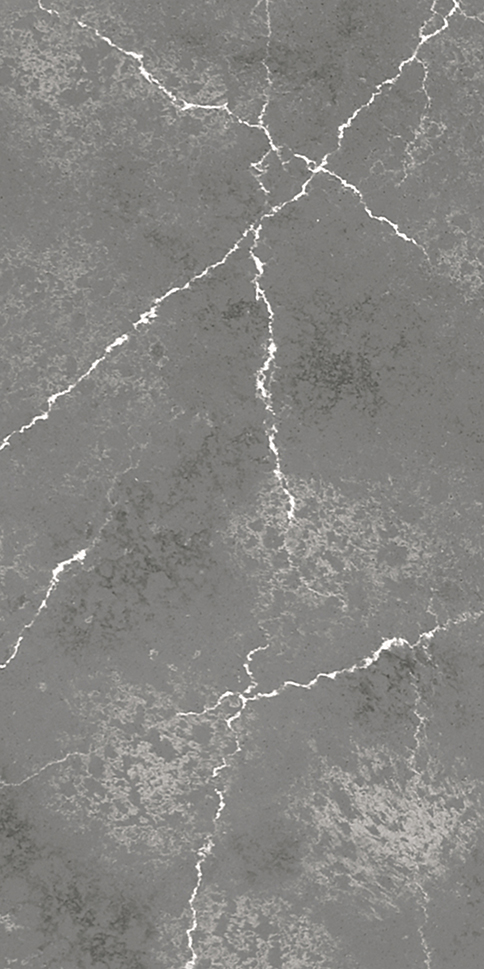
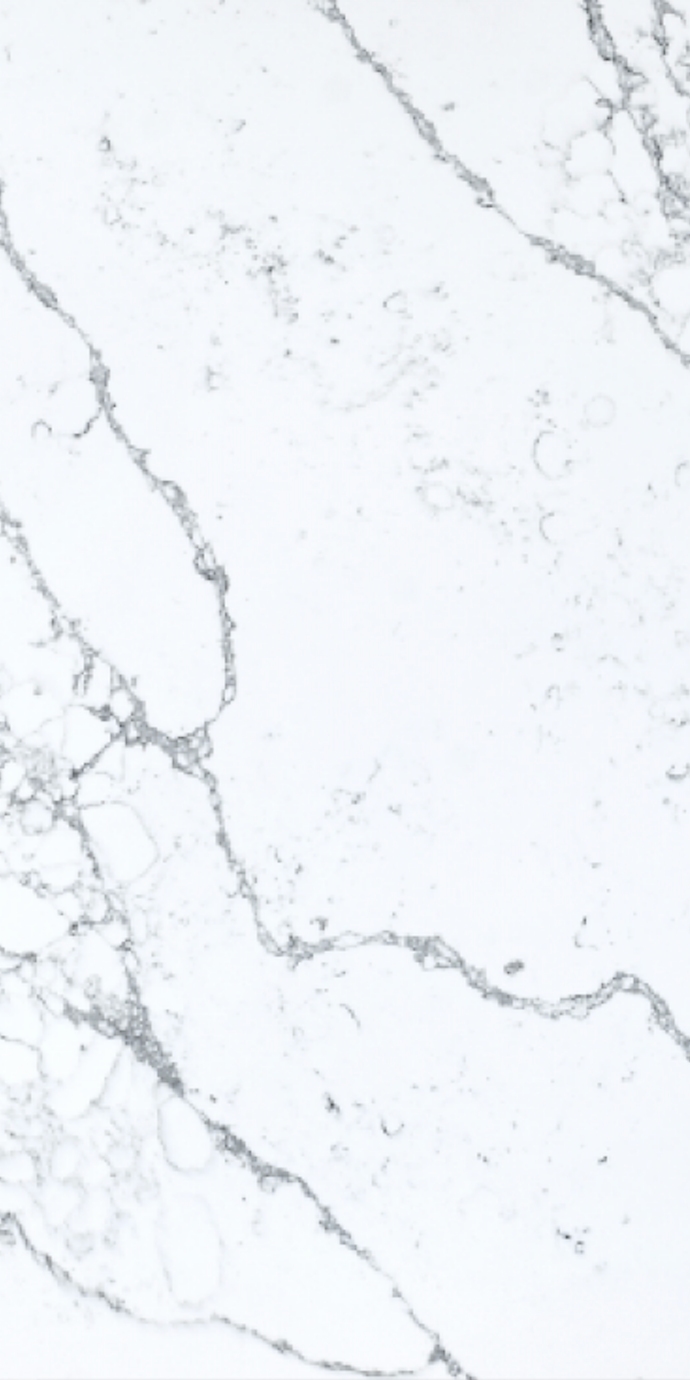
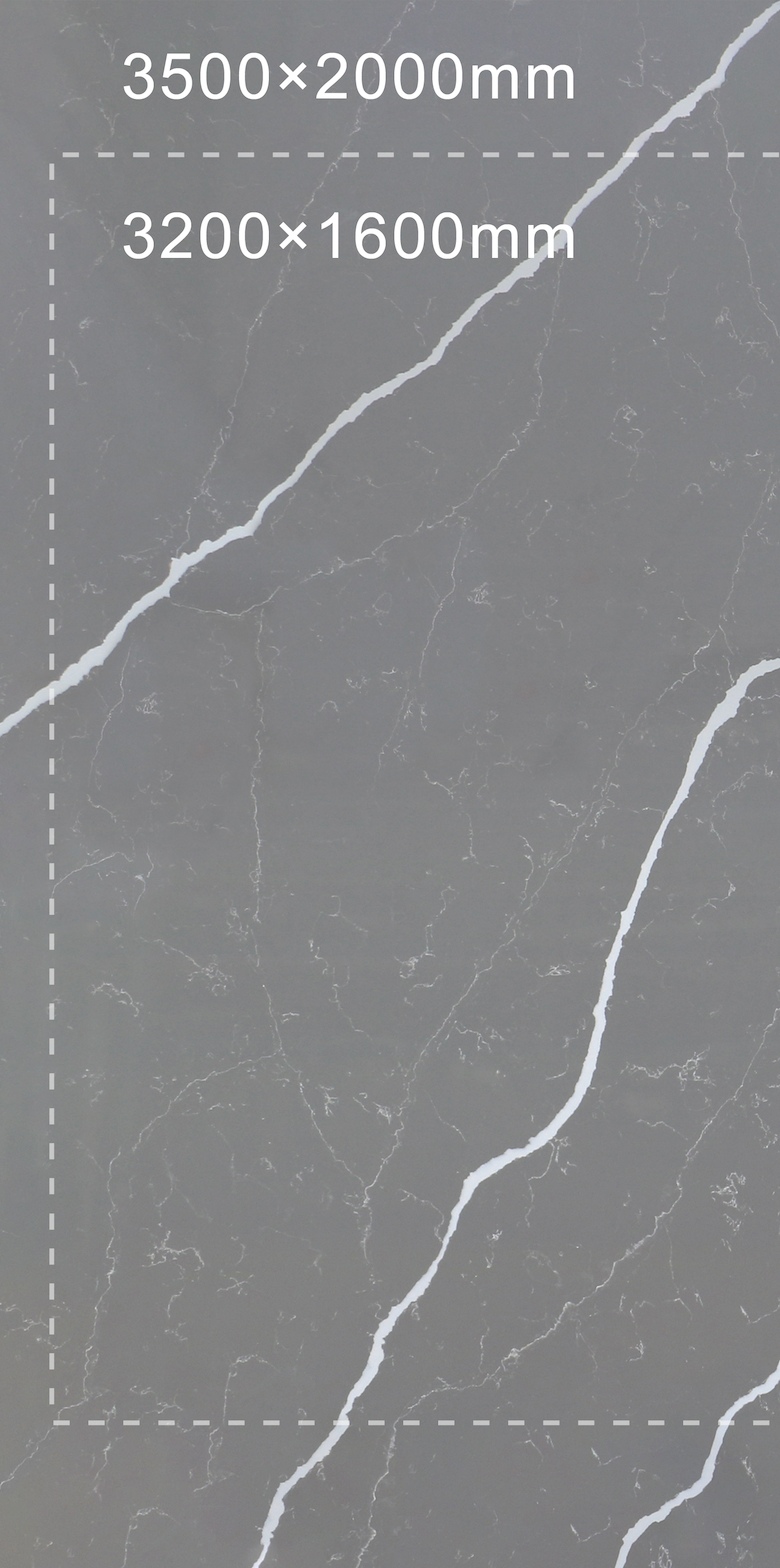
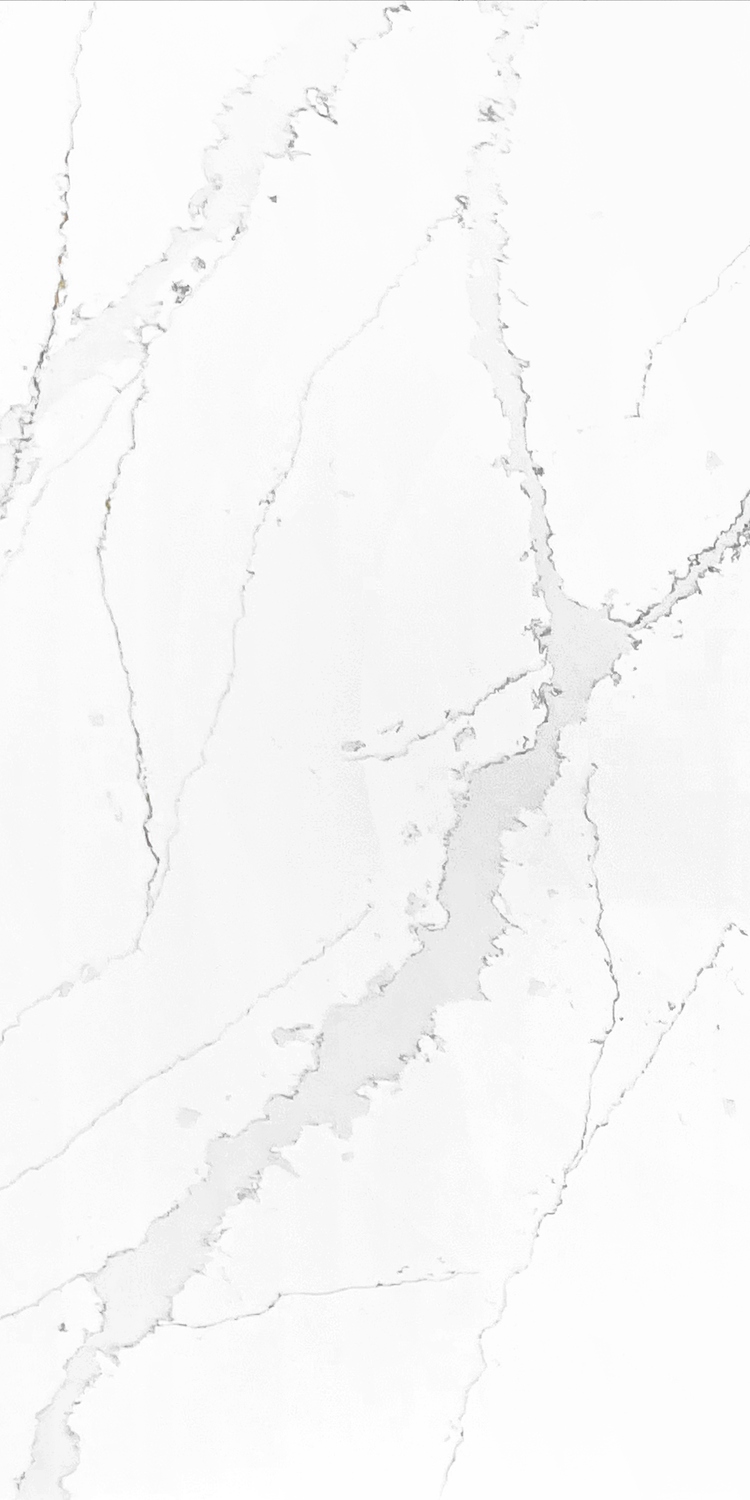
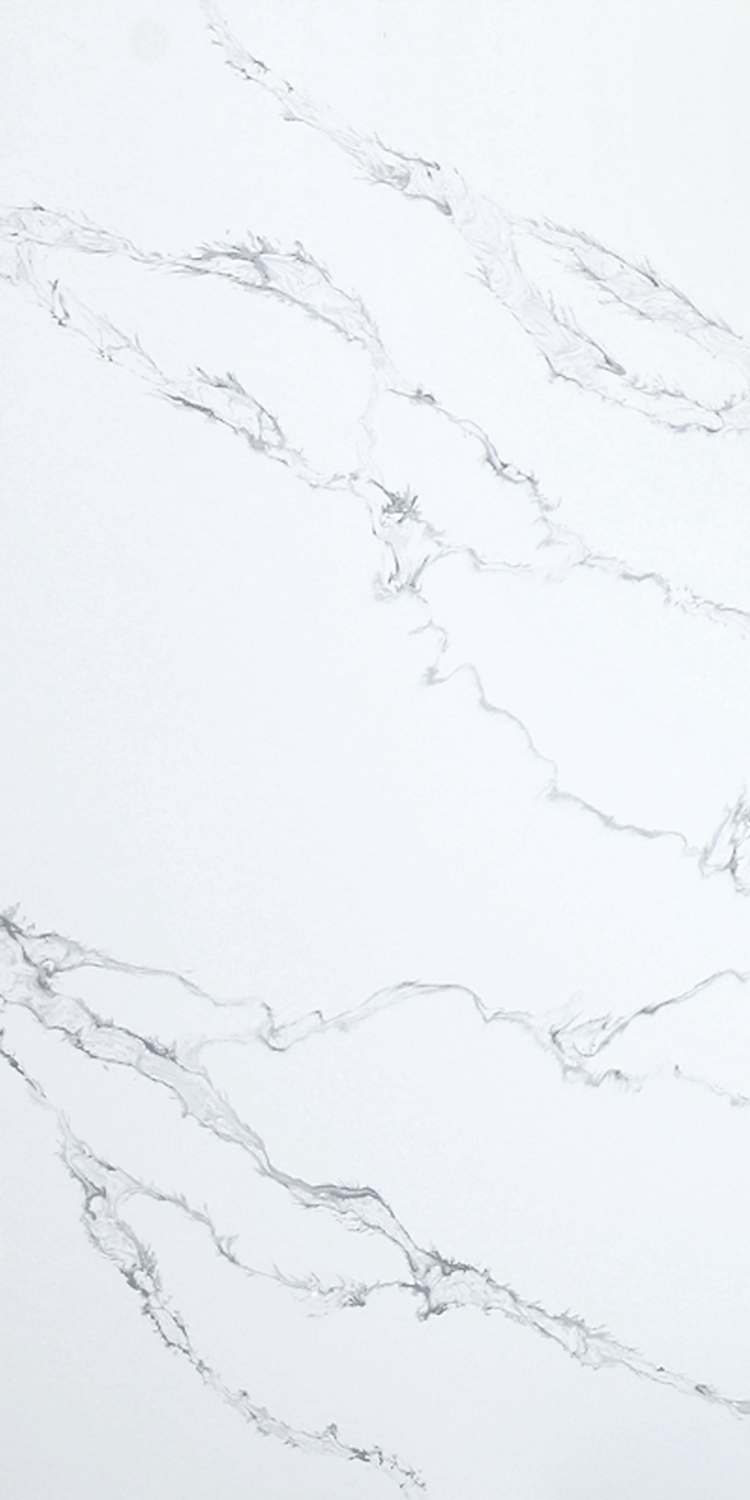
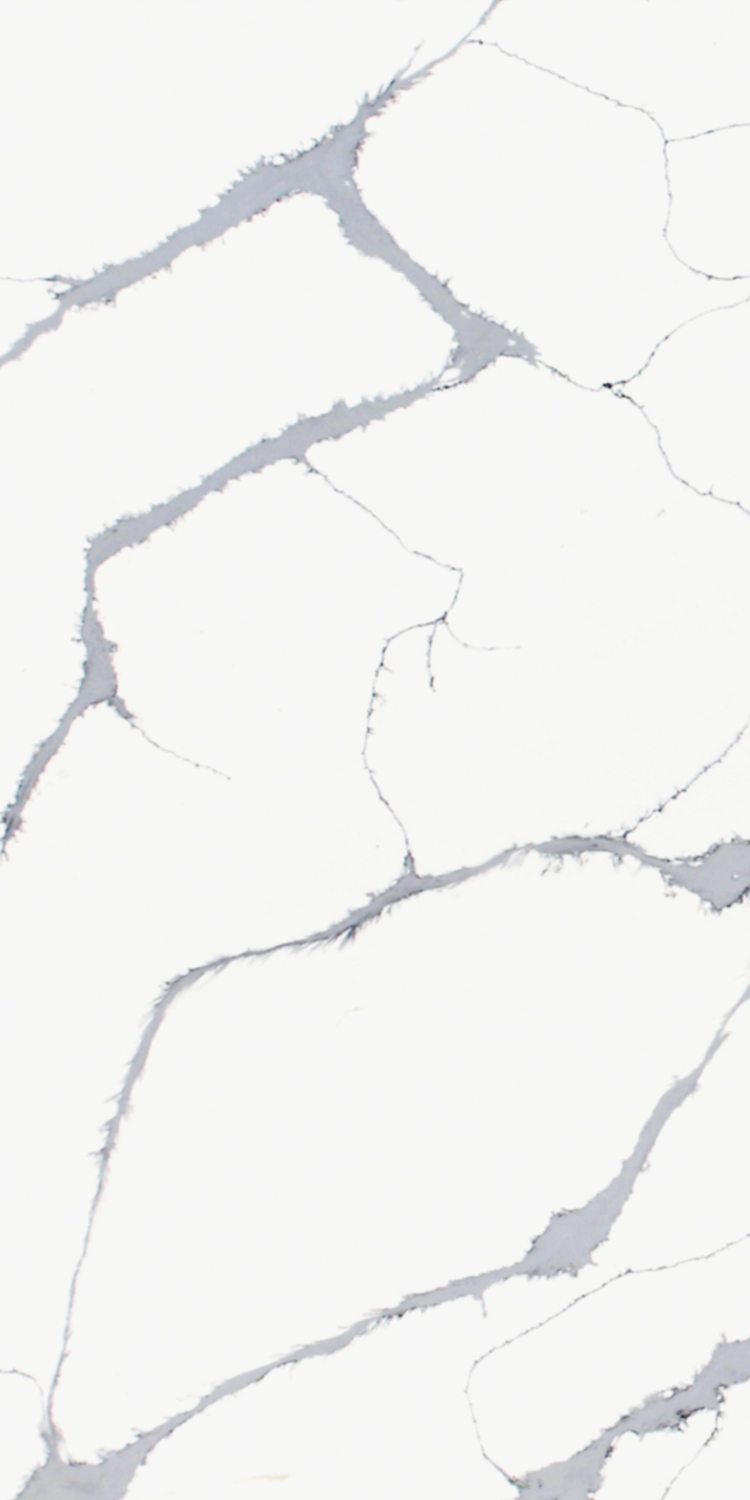
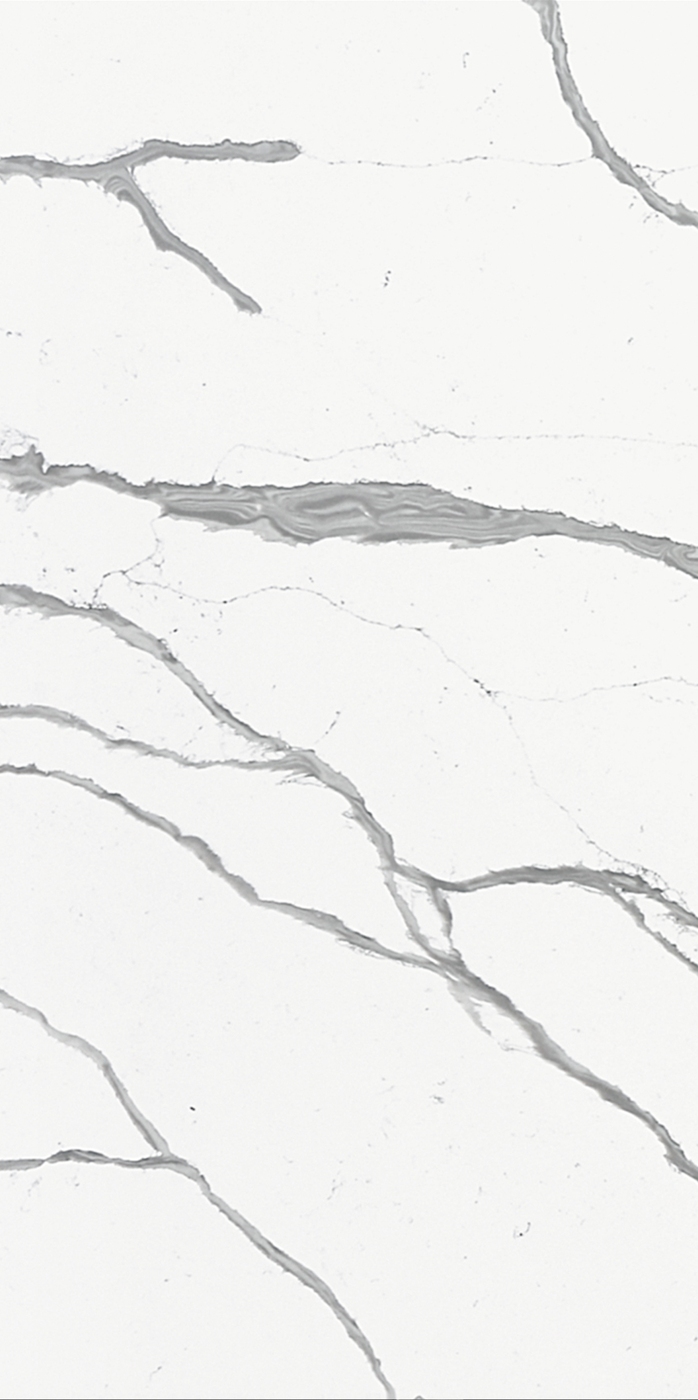
If you are shopping for engineered quartz countertops, you will notice options like white quartz countertop, Calacatta quartz, Carrara look quartz, grey quartz slab, black quartz countertop, and even concrete style finishes. Many of these patterns are designed to match popular natural stones but with fewer weak points.

Natural stone is cut from the earth, then sliced into slabs and finished. When people say natural stone countertop they usually mean granite, marble, quartzite, travertine, limestone, slate, sometimes soapstone.
Each one has its own personality:
● Granite is generally tough, heat friendly, and has speckled movement.
● Marble looks luxurious, with soft veins, but it can etch and stain.
● Quartzite can be very hard and dramatic, but it varies a lot by quarry.
● Travertine and limestone are softer and porous, often used in bathrooms or feature walls rather than heavy duty kitchens.
So the first difference is simple: artificial quartz is engineered for stable results, natural stone is a one off product from nature.
|
Item |
Artificial Quartz (Engineered Quartz) |
Natural Stone (Granite, Marble, Quartzite) |
|
Pattern And Color |
More consistent across quartz slabs |
Each slab is unique, more variation |
|
Stain Resistance |
Usually stronger, good for quartz countertops |
Depends on stone, often needs sealing |
|
Heat Resistance |
Good, but avoid direct hot pans |
Often better, especially granite |
|
Maintenance |
Easy daily cleaning, low sealing needs |
Sealing and careful cleaning more common |
|
Best For |
kitchen countertop, bathroom vanity top, commercial countertops |
Feature looks, heat heavy zones, classic stone feel |
|
Replacement Matching |
Easier to match later |
Harder to match later |
If you want a clean, uniform look, artificial quartz is usually easier. A modern kitchen with flat panel cabinets often pairs well with a white quartz countertop because it stays bright and consistent. If you are doing multiple surfaces, like island plus perimeter counters, artificial quartz makes it easier to match.
Natural stone is about character. No two slabs are the same. Some people love that. They want their marble countertop to be the only one on the planet. But the trade off is you might fall in love with a sample, then the actual slab has stronger veins or different background color. That is normal.
A small tip: if you care a lot about the final look, ask to view the full slab, not just a small chip, no matter which material you pick.
This is where many homeowners make their final decision.
Artificial Quartz Maintenance: Most artificial quartz surfaces are non porous or close to it. That means they resist common stains better, like coffee, wine, soy sauce, makeup, and cooking oil. For a busy family kitchen countertop, this is a big deal. Usually you just wipe with mild soap and water.
Natural Stone Maintenance: Many natural stone slabs are porous. Granite is less porous than marble, but still often needs sealing. Marble needs more care and can show etching from acidic liquids like lemon juice or vinegar. Quartzite can vary, some are fine, some need regular sealing.
If you love natural stone, it is not too hard, it just needs a different mindset. You do not leave spills overnight, and you accept that the stone may develop patina.
Artificial quartz is strong, but resin based surfaces can be sensitive to high heat. Putting a hot pan directly from the stove onto a quartz countertop can cause discoloration or cracking in extreme cases. So use trivets. In normal use, quartz is very resistant to scratches, though not scratch proof.
Natural stone depends on the type. Granite handles heat well. Marble is softer and scratches easier. Quartzite is typically hard, but again it depends on the slab. Natural stones can chip too, especially at edges, but so can quartz if hit hard enough.
If you are designing a commercial countertop for a café where hot cups, heavy use, and quick cleaning are daily reality, artificial quartz often wins because it stays consistent and looks clean with less maintenance. If you are doing an outdoor kitchen countertop, natural stone can be safer because some quartz products are not recommended for strong UV and outdoor conditions.
Artificial quartz is popular in kitchens and bathrooms because of its low absorption. For a bathroom vanity top, you deal with toothpaste, skincare products, hair dye, and water every day. Quartz makes this easier.
Natural stone can still work well in bathrooms, especially if you like a spa feeling. Just remember sealing and cleaning habits.
For backsplash, both work, but quartz backsplashes can create a seamless look with the countertop, while natural stone backsplash brings more texture and variation.
Both materials need professional fabrication. But supply works differently.
Natural stone availability depends on quarry supply and shipping. If you damage a slab later and need a replacement, matching can be difficult.
Artificial quartz is made in batches, so color control is better. For projects like apartment developments, hotel rooms, or a chain store remodel, engineered quartz countertops are easier to specify because you can order the same tone again.
This is also where choosing the right artificial quartz stone manufacturer matters. A good manufacturer controls thickness, polish quality, resin ratio, and color stability. A weak manufacturer can produce slabs that warp, have inconsistent gloss, or show resin burns.
Natural stone prices vary wildly. Some granite is affordable, some marble is extremely expensive. Quartzite can be pricey too.
Artificial quartz tends to sit in a mid range to premium range depending on design. A simple grey quartz slab may cost less than a high end Calacatta quartz pattern.
But do not only compare the slab. Compare long term cost: sealing, stain repair, polishing, and replacement risk. If you know you will be stressed about spills, quartz can be cheaper emotionally and practically.
Many buyers now ask about eco friendly countertops. Neither option is perfect. Natural stone is quarried and shipped, which has environmental impact. Artificial quartz uses resin and energy for production, but can reduce waste through controlled manufacturing and consistent yield.
If sustainability is a top priority, ask your supplier about production standards, recycling practices, and how slabs are transported and packed. A transparent quartz stone supplier is usually a safer bet.
Here is a simple way to decide:
Choose artificial quartz if you want:
● Low maintenance and easy daily cleaning
● Consistent color for a modern kitchen countertop
● Strong stain resistance for family use
● Reliable supply for bigger projects like hotel bathroom vanity tops or commercial countertops
Choose natural stone if you want:
● A one of a kind slab with natural movement
● Higher heat tolerance (especially granite)
● A classic luxury feel, especially marble, and you are ok with patina
And if you are somewhere in the middle, think about where you place it. Many people do quartz countertops in the main kitchen work areas, and use natural stone on a fireplace surround or feature wall where staining is less of a worry.
If your goal is a practical surface that still looks high end, Summerly Quartz is a solid option to check. Summerly Quartz is an artificial quartz stone manufacturer and supplier offering various styles, colors, and sizes of quartz slabs for kitchen countertop projects, bathroom vanity top builds, backsplash design, and commercial countertops.
Instead of guessing from tiny samples, you can shortlist patterns like white quartz countertop looks, marble look Calacatta quartz, grey quartz slab tones, and darker options for modern spaces. Then match them across counters and islands without the stress of natural stone variation.
If you are planning a remodel or a new build, reach out to Summerly to explore our quartz stone series, get slab details, and confirm what fits your layout and budget.

Artificial Quartz Stone Manufacturer and Supplier
Artificial quartz vs. natural stone is not about which one is better in general. It is about how you cook, how you clean, how much time you want to spend on care, and the style you want to see. Natural stone gives you uniqueness and a raw feel. Artificial quartz gives you stability, stain resistance, and easy everyday comfort.
If you want the benefits of engineered quartz countertops with consistent design options, Summerly Quartz can be your next step. Contact Summerly Quartz to view quartz slabs, compare colors and finishes, and choose the right surface for your kitchen countertop, bathroom vanity top, backsplash, or commercial countertops.